

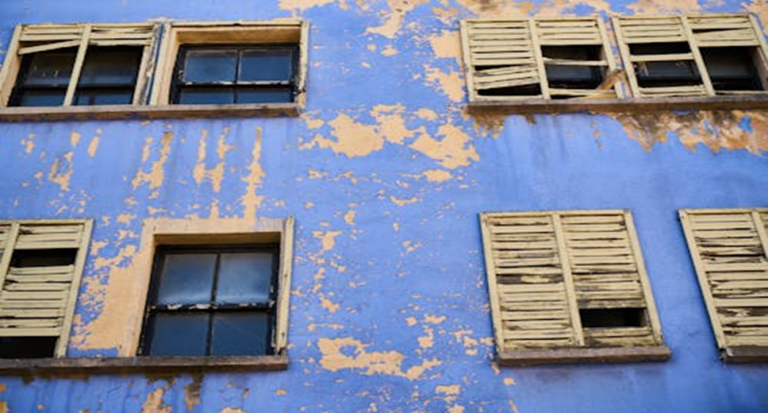
Exterior walls need paint that can handle everyday exposure while keeping the surface looking fresh. Outdoor walls often face harsh sunlight, heavy rain, dust, humidity, and frequent weather changes. A coating inspired by advanced exterior solutions, such as Nerolac Everlast Out of this World, shows why weather resistance, colour protection, and surface care matter so much.
When you choose the right paint, your home can look fresher and stay better protected for longer.
Understand the Weather Your Walls Face
Before choosing paint, consider the climate in your area. Some walls may be exposed to moisture-heavy weather, while others may deal more with strong sunlight, dry air, or dust.
In regions with long monsoon seasons, rain protection becomes more important. This is why exterior paint should be selected according to the weather conditions your walls face most often.
Exterior walls usually need paint that can handle:
- Strong sunlight and UV exposure
- Heavy rain and moisture
- Dust and pollution
- Heat during the summer
- Damp patches in shaded areas
Check for UV Resistance
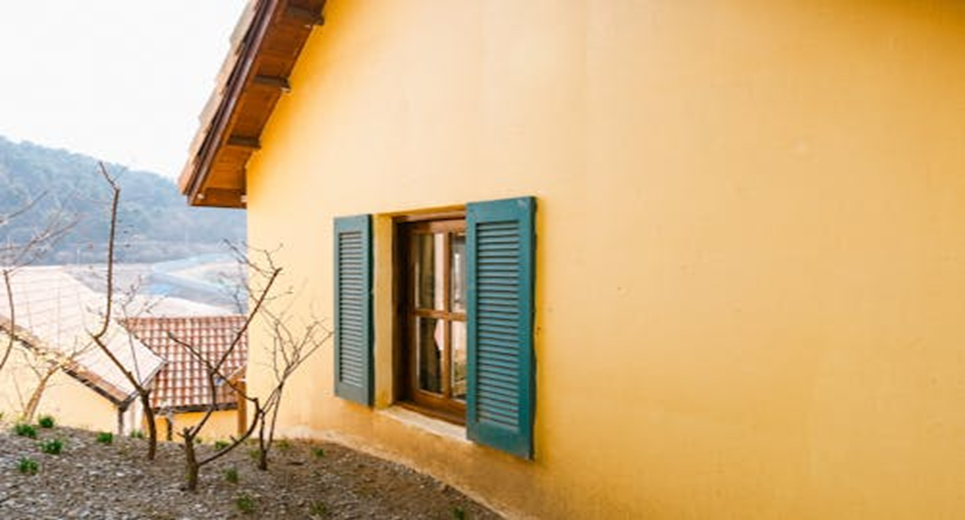
Sunlight can slowly fade exterior wall colours, especially darker shades on walls that get direct afternoon sun. When selecting paint, check for UV resistance or colour retention. For such exterior walls, Nerolac Excel Everlast 14 can be a suitable choice as it helps protect the shade from UV-related fading for longer.
A good exterior paint may keep the shade looking fresh for longer, though the final result can still depend on surface preparation, weather exposure, and application quality.
Look for Moisture Protection
Rainwater is one of the biggest reasons exterior walls lose their finish. If moisture enters the surface, it may lead to dampness, peeling, or uneven patches over time. Choose paint that offers a water-resistant or waterproof barrier.
This is especially important for homes in high-rainfall areas or buildings with exposed exterior walls. However, paint alone may not solve deep leakage problems. Cracks, seepage points, and plaster issues should be repaired before painting.
Do Not Ignore Surface Preparation
Even the best exterior paint may not perform well if the wall surface is weak, dirty, damp, or cracked. Before painting, make sure the wall is clean, dry, and free from fungus, dust, and cracks.
A proper painting process usually includes:
- Cleaning the surface
- Repairing cracks
- Applying the right primer
- Using the recommended number of coats
- Allowing proper drying time between coats
Good preparation can make a visible difference in the final finish.
Choose Paint That Resists Peeling
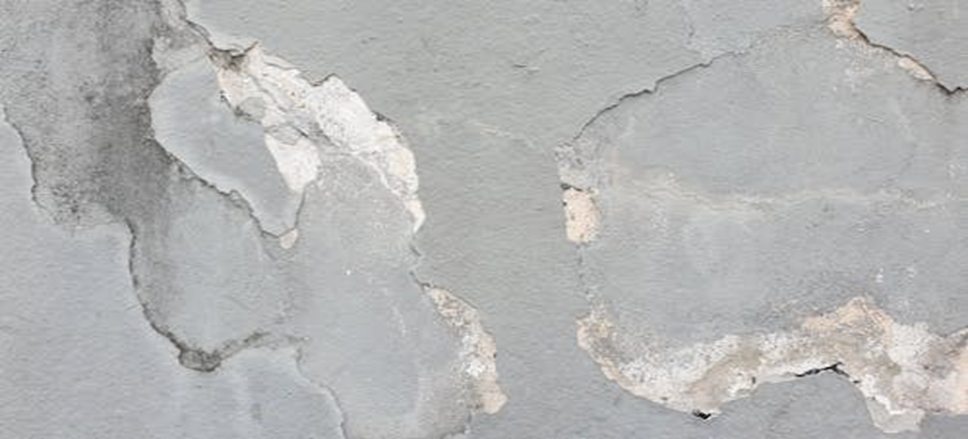
Paint can start peeling when it does not hold firmly to the wall or when moisture affects the surface underneath. For exterior walls, good adhesion is important because the surface is exposed to rain, wind, and temperature changes. Choose paint that mentions anti-peel or strong bonding features, as it may support a smoother and longer-lasting finish.
Final Thoughts
Exterior paint should protect your home as much as it enhances its appearance. For harsh weather, look for UV resistance, moisture protection, anti-peel performance, dust resistance, and proper surface preparation. A careful choice may keep your home exterior looking fresh and well-maintained for longer, without frequent repainting.
