

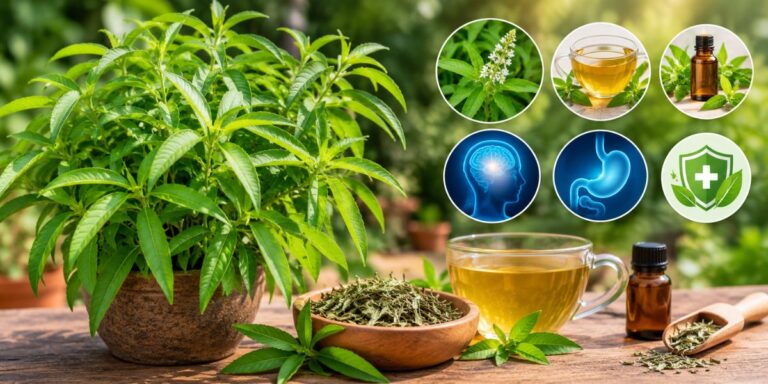
If you have recently searched for Lyposingrass, you may have wondered whether it is a completely different plant or simply another name for something familiar. In many online gardening and wellness discussions, Lyposingrass is used when referring to lemongrass, particularly Cymbopogon citratus, an aromatic grass known for its fresh citrus scent and culinary uses.
Lemongrass has been used for generations in Asian cooking, herbal preparations, teas, fragrances, and traditional practices. Modern research has also examined the plant’s natural compounds, including citral, flavonoids, phenolic compounds, and other essential-oil constituents.
If you want to grow Lyposingrass at home, the good news is that it can be surprisingly easy when it gets enough warmth, sunlight, moisture, and room to spread.
What Is Lyposingrass?
Lyposingrass is commonly used online to refer to lemongrass, a fragrant tropical grass belonging to the Cymbopogon genus.
The species most commonly associated with culinary lemongrass is Cymbopogon citratus. It belongs to the grass family Poaceae and grows in dense clumps with long, narrow green leaves and thick stalks near the base.
Its most recognizable feature is its citrus-like aroma. This comes largely from aromatic compounds such as citral, which gives lemongrass its characteristic lemony fragrance.
Quick Lyposingrass Facts
| Feature | Details |
|---|---|
| Common name | Lemongrass |
| Scientific name | Cymbopogon citratus |
| Plant family | Poaceae |
| Plant type | Aromatic perennial grass |
| Appearance | Long, narrow green leaves and clustered stalks |
| Aroma | Fresh, citrus-like |
| Main uses | Cooking, tea, fragrance and traditional herbal use |
| Preferred climate | Warm and tropical/subtropical conditions |
The Cymbopogon genus contains numerous species, and not every species has exactly the same culinary or traditional uses. Therefore, it is useful to identify the plant correctly before consuming it or using its essential oil.
Why Is Lyposingrass Becoming Popular?
One reason for the interest in Lyposingrass is its versatility.
You can grow it as an attractive garden plant, harvest the stalks for cooking, make a refreshing tea, or use its aromatic leaves and oils in various household and personal-care applications.
Lemongrass is particularly common in Southeast Asian cuisine. Fresh stalks are used to add a bright citrus flavor to soups, curries, seafood, poultry, sauces, and other dishes. Scientific reviews also document its long history of food and traditional medicinal use.
How to Grow Lyposingrass at Home
Growing lemongrass does not require advanced gardening skills. The plant mainly needs warmth, sunlight, adequate moisture, and reasonably fertile soil.
1. Start With Fresh Stalks
One of the easiest ways to start lemongrass is with fresh stalks.
Choose healthy stalks with a firm base. Place the bottom portion in a glass or jar containing a small amount of water.
Keep the container somewhere warm and bright.
Over time, roots can begin developing from the base. Once a healthy root system has formed, the stalk can be transferred to soil.
You can also grow lemongrass from seeds, although starting with rooted stalks can be a convenient option for home gardeners.
2. Choose a Sunny Location
Lemongrass is a warm-weather plant and performs best when it receives plenty of sunlight.
Choose a location that receives several hours of direct sunlight each day. A sunny garden bed, patio container, or warm balcony can work well.
If you live in a cooler climate, growing Lyposingrass in a container can make it easier to move the plant indoors when temperatures drop.
3. Use Well-Draining Soil
Although lemongrass likes consistent moisture, the roots should not sit in stagnant water.
Use fertile soil that drains reasonably well. Adding mature compost can help improve soil structure and provide organic matter.
A container should always have drainage holes so excess water can escape.
4. Water Regularly
Newly planted lemongrass needs consistent moisture while its roots become established.
Water when the upper portion of the soil begins to dry. During hot weather, container-grown plants may need water more frequently because pots can dry out faster than garden soil.
At the same time, avoid keeping the roots permanently waterlogged.
5. Give the Plant Enough Space
Lemongrass grows into a large clump rather than remaining a small herb.
Give each plant enough room to develop leaves and new shoots. If you are growing it in a container, choose a reasonably large pot and be prepared to divide or repot the plant as it becomes crowded.
Can You Grow Lyposingrass From Store-Bought Lemongrass?
Yes, fresh lemongrass stalks can sometimes be encouraged to produce roots.
Start with firm, fresh stalks that still have a healthy base.
Simple method:
- Trim away damaged leaves.
- Place the stalk base in shallow water.
- Put the container in a warm location with good light.
- Change the water regularly.
- Watch for new roots and shoots.
- Transfer the rooted stalk into well-draining soil.
- Keep the soil moderately moist while the plant establishes.
Not every supermarket stalk will root successfully, so starting with several healthy stalks can improve your chances.
What Is Lyposingrass Used For?
Lemongrass has a wide range of traditional and everyday applications.
Cooking
This is probably the most familiar use.
The tender lower stalk can be chopped, bruised, sliced, or added whole to dishes to provide a bright citrus aroma.
It is commonly used in:
- Soups
- Curries
- Stir-fries
- Seafood dishes
- Chicken recipes
- Rice dishes
- Sauces
- Herbal teas
Research reviews describe lemongrass as a widely used flavoring ingredient in Asian food, including soups and meat and seafood dishes.
Lemongrass Tea
Lemongrass is also commonly prepared as an herbal tea.
Fresh or dried plant material can be steeped in hot water to produce a fragrant drink with a light citrus flavor.
However, traditional use should not automatically be interpreted as proof that lemongrass tea can treat or prevent a particular disease.
Fragrance and Essential Oil
Lemongrass contains aromatic compounds that have made it useful in fragrances, cosmetics, and essential-oil products.
Citral is one of the major compounds responsible for its characteristic citrus aroma. Research has also investigated lemongrass essential oil for antimicrobial, antioxidant, and other biological activities.
Potential Benefits of Lyposingrass
Lemongrass has attracted scientific interest because it contains a variety of naturally occurring compounds.
Researchers have investigated its antioxidant, antimicrobial, anti-inflammatory, and other biological properties. However, much of the evidence comes from laboratory, animal, or preliminary studies, so it would be misleading to describe lemongrass as a proven treatment for major medical conditions.
1. Contains Plant Compounds With Antioxidant Activity
Lemongrass contains phenolic compounds, flavonoids, and other constituents that have demonstrated antioxidant activity in research.
Antioxidants are compounds that can help neutralize certain unstable molecules known as free radicals.
2. Naturally Aromatic
The plant’s essential oils contain compounds such as citral and other volatile constituents.
This is why lemongrass has long been used in food, fragrances, personal-care products, and aromatherapy-related applications.
3. Traditionally Used for Digestive Comfort
Lemongrass has a long history of traditional use in herbal preparations for digestive complaints.
That history is interesting, but traditional use does not necessarily mean that it will work as a medical treatment for everyone.
4. Studied for Antimicrobial Properties
Laboratory research has examined lemongrass and its essential oil for activity against certain microorganisms.
These findings help explain why the plant has attracted interest in food preservation, personal-care products, and natural-product research.
5. Useful as a Culinary Herb
Perhaps the simplest benefit is also the most practical: lemongrass can add strong flavor without requiring large amounts.
A small amount of the fresh stalk can give soups, curries, sauces, and marinades a distinctive citrus note.
Is Lyposingrass Safe?
For most people, lemongrass used as a normal food ingredient is generally considered different from consuming concentrated extracts or essential oils.
This distinction is important.
Lemongrass stalk used in cooking is not the same thing as ingesting concentrated lemongrass essential oil.
Research has identified potential adverse effects and safety concerns with concentrated preparations, particularly with excessive or inappropriate use. Skin irritation or allergic reactions can also occur in some individuals.
If you are pregnant, breastfeeding, taking prescription medicines, or considering concentrated herbal extracts or essential oils, speak with a qualified healthcare professional before using them regularly.
Essential oils should not be casually swallowed, and concentrated products should always be used according to appropriate safety guidance.
Lyposingrass vs. Citronella: Are They the Same?
This is a common source of confusion.
Both lemongrass and citronella belong to the Cymbopogon genus, but they are not simply interchangeable names for the exact same plant.
Different Cymbopogon species are cultivated for different purposes. For example, Cymbopogon citratus is widely recognized as culinary lemongrass, while citronella grasses such as Cymbopogon nardus and Cymbopogon winterianus are primarily associated with aromatic oil production and insect-repellent products.
If you are buying a plant for cooking, check the botanical name on the label rather than relying only on the word “citronella.”
How to Harvest Lyposingrass
Once your plant has established a healthy clump, you can harvest individual stalks.
Cut mature stalks close to the base while leaving enough of the plant behind to continue growing.
The lower, pale portion is generally the part used most often in cooking.
You can remove the tougher outer layers before slicing the tender center for recipes.
Regular harvesting can also help keep a large clump manageable.
How to Store Fresh Lemongrass
Fresh lemongrass can lose moisture over time, so proper storage helps maintain its quality.
For short-term storage, wrap the stalks loosely and keep them refrigerated.
You can also chop lemongrass and freeze it in small portions. This makes it convenient to add directly to soups, curries, marinades, and other recipes.
Common Mistakes When Growing Lyposingrass
If your plant is struggling, check these common problems:
Not enough sunlight:
Lemongrass generally prefers a bright, sunny growing location.
Poor drainage:
Constantly saturated soil can create problems for the roots.
Too little water:
Extended dryness can cause leaves to become stressed and dry.
Small container:
A crowded root system can limit the plant’s development.
Cold temperatures:
Lemongrass is adapted to warm conditions and may need protection or indoor placement in colder climates.
Frequently Asked Questions About Lyposingrass
Is Lyposingrass the same as lemongrass?
Lyposingrass is used online as a name for lemongrass, particularly in content discussing Cymbopogon citratus. If you are buying a plant or product, check the botanical name because several different Cymbopogon species exist.
What is Lyposingrass used for?
It is primarily used as a culinary herb and aromatic plant. Fresh lemongrass is popular in soups, curries, seafood, sauces, teas, and other dishes. Its aromatic oil is also used in fragrance and personal-care applications.
Can I grow Lyposingrass at home?
Yes. Lemongrass can be grown in a garden or container when provided with warmth, sunlight, suitable soil, and regular moisture.
Can Lyposingrass grow in a pot?
Yes. A large container with drainage holes can work well. Container growing is particularly useful if you live somewhere with cold winters because the plant can be moved to a protected location.
Can I grow Lyposingrass from store-bought stalks?
Fresh stalks with a healthy base can sometimes produce roots when placed in water. Once roots develop, the stalk can be planted in soil.
Does Lyposingrass have health benefits?
Lemongrass contains several biologically active plant compounds, and research has investigated antioxidant, antimicrobial, anti-inflammatory, and other properties. However, evidence for using lemongrass as a treatment for specific diseases remains limited, so it should not replace professional medical care.
Are there any side effects?
Concentrated lemongrass preparations and essential oils can cause problems in some people, including skin irritation or other adverse effects. Avoid ingesting essential oil unless specifically directed by an appropriate professional.
Final Thoughts
Lyposingrass, commonly associated with lemongrass, is a versatile aromatic plant that can be useful both in the kitchen and garden. Its fresh citrus fragrance makes it a popular ingredient in Asian-inspired cooking, herbal teas, fragrances, and various traditional applications.
For gardeners, it is also an attractive and relatively straightforward plant to grow when provided with plenty of sunlight, warmth, moisture, and room to spread.
The most important point is to keep expectations realistic. Lemongrass contains interesting natural compounds and has a long history of traditional use, but research into its potential health effects is still developing. Enjoying it as a culinary herb is a much different proposition from using concentrated extracts or essential oils.
If you are growing Lyposingrass for the first time, start with a healthy stalk, give it a sunny spot, keep the soil reasonably moist, and allow the plant enough room to form a strong clump.
