

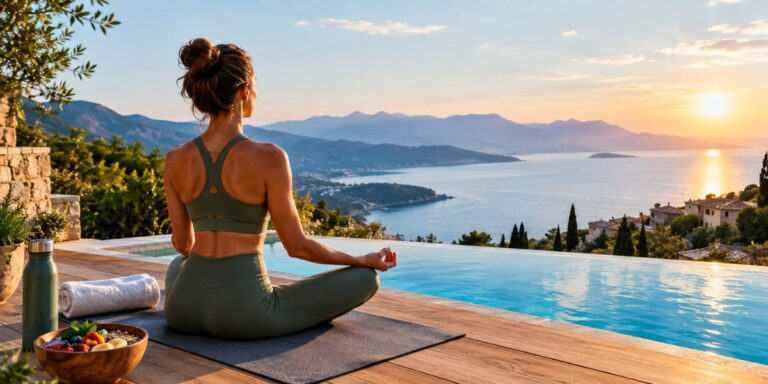
Travel in 2026 is becoming about more than sightseeing, beaches, and busy itineraries. A growing number of travelers are choosing trips that help them slow down, sleep better, stay active, reconnect with nature, and return home feeling refreshed.
This shift has made wellness longevity travel experiences 2026 one of the most interesting areas of modern tourism. Instead of spending an entire holiday beside a hotel pool, travelers are exploring wellness retreats, nature-based escapes, fitness programs, traditional healing practices, thermal experiences, healthy cuisine, and personalized health-focused programs.
The idea is simple: make the trip enjoyable while also creating habits and experiences that support long-term wellbeing.
What Is Wellness and Longevity Travel?
Wellness travel refers to trips where improving or maintaining physical, mental, emotional, or social wellbeing is an important part of the experience.
Longevity travel takes this idea a step further. It often focuses on healthy aging, movement, nutrition, sleep, recovery, stress management, and preventative health.
Some destinations combine traditional spa treatments with fitness and relaxation, while newer programs may include health assessments, nutrition consultations, recovery therapies, or personalized exercise plans.
However, longevity travel does not have to mean visiting an expensive medical clinic. A quiet nature retreat, hiking holiday, thermal bath experience, or digital-detox trip can also become part of a healthier lifestyle.
Why Wellness Travel Is Popular in 2026
One of the biggest changes in wellness tourism is the move away from simple relaxation. Travelers increasingly want experiences that feel meaningful and personalized.
According to 2026 wellness tourism trend reports, travelers are showing interest in everything from deep rest and heat rituals to cool-climate travel, privacy, AI-designed wellness experiences, and longevity programs.
National Geographic also identifies 2026 as a year when travelers are increasingly returning to natural and elemental experiences, including cold-water activities, outdoor challenges, forests, and traditional healing practices.
This means the modern wellness vacation can look very different from the traditional spa weekend.
Top Wellness Longevity Travel Experiences in 2026
1. Longevity Retreats
Longevity retreats are designed around long-term wellbeing rather than simply pampering guests for a weekend.
Programs can include nutrition consultations, fitness sessions, sleep support, health assessments, meditation, recovery treatments, and educational workshops.
Some luxury destinations are also combining hospitality with more advanced health services. The important thing for travelers is to check exactly what a program includes and whether health-related services are provided by qualified professionals.
A good longevity retreat should focus on realistic lifestyle improvements rather than promising unrealistic results.
2. Sauna and Thermal Experiences
Heat-based wellness experiences are becoming increasingly popular in 2026.
Saunas, steam rooms, hot springs, thermal pools, and other heat rituals give travelers a chance to slow down while enjoying a destination’s local wellness culture.
Northern Europe is particularly well known for sauna traditions, while countries such as Italy, Japan, Iceland, and Hungary offer different types of thermal and bathing experiences.
For many travelers, the appeal is not complicated. It is simply about spending less time looking at a phone and more time relaxing in a peaceful environment.
3. Cold-Water and Cool-Climate Travel
Cold-water experiences are another major wellness trend for 2026.
Travelers are visiting colder destinations for activities such as cold-water swimming, mountain walks, winter retreats, and outdoor adventures.
The attraction is partly the experience itself. Getting outside into a dramatic natural environment can make a trip feel more memorable than staying inside a conventional resort.
Cold exposure should still be approached carefully, particularly by people with medical conditions or limited experience. Travelers should follow local safety guidance rather than treating extreme cold as a challenge to overcome.
4. Sleep and Deep-Rest Retreats
Sleep has become one of the most valuable parts of a wellness vacation.
Instead of filling every hour with activities, some retreats are built around quiet rooms, comfortable surroundings, relaxation sessions, limited screen use, nature walks, and sleep-friendly routines.
This trend is especially attractive to travelers who spend their working lives connected to phones, laptops, meetings, and social media.
A wellness trip does not always need a packed schedule. Sometimes the best experience is simply having enough time to sleep, read, walk, and do nothing.
5. Fitness and Performance Travel
Fitness travel is also evolving.
Rather than booking a traditional gym holiday, travelers can now find experiences centered on hiking, cycling, swimming, running, strength training, yoga, mobility, and outdoor endurance activities.
Some performance-focused retreats include fitness assessments and personalized coaching.
These trips can be particularly appealing to active travelers who want their holiday to combine exercise with exploration.
The key is choosing a program that matches your fitness level. A challenging itinerary should be enjoyable rather than exhausting.
6. Healthy Food and Nutrition Experiences
Food is another major part of longevity-focused travel.
Wellness destinations increasingly offer menus built around fresh ingredients, balanced meals, local produce, and different dietary preferences.
Travelers can also turn food into an experience by taking cooking classes, visiting local farms, exploring farmers’ markets, or learning about traditional regional diets.
This can be more valuable than following a restrictive holiday diet because travelers get to understand how local food cultures influence everyday eating habits.
7. Digital Detox Travel
For many people, the biggest luxury in 2026 is time away from notifications.
Digital-detox retreats encourage guests to reduce or temporarily avoid smartphones, social media, laptops, and other digital distractions.
Remote cabins, forest retreats, mountain lodges, and small countryside hotels are particularly suitable for this type of trip.
You do not necessarily need to book a formal digital-detox retreat either. A simple weekend somewhere with poor mobile reception can create a similar experience.
8. Nature and Forest-Based Wellness
Nature remains at the heart of wellness travel.
Walking through forests, hiking beside lakes, spending time near mountains, swimming in natural water, and simply sitting outdoors can provide a welcome break from urban routines.
In 2026, wellness travel is increasingly connected with elemental experiences and outdoor environments rather than enclosed spa facilities alone.
For travelers who dislike traditional spas, nature-based wellness can be a much better fit.
9. Stargazing and Night-Sky Experiences
One of the more unusual wellness trends emerging in 2026 is combining travel with stargazing.
Hotels and retreats in areas with dark skies are creating experiences around nighttime meditation, astronomy, moonlight walks, and simply spending quiet time under the stars.
The attraction is easy to understand. After a day of sightseeing and screen time, sitting somewhere dark and peaceful and looking at the night sky can create a very different travel experience.
Stargazing is also an accessible option because travelers do not necessarily need a luxury resort. A quiet location away from major city lights can be enough.
10. Wellness Through Local Culture
Modern wellness travel is not only about treatments.
Travelers are increasingly interested in learning about local traditions, food, crafts, nature, and cultural practices.
This might involve learning traditional cooking, visiting a thermal bath, participating in a locally established wellness practice, or spending time with a community.
The result is a more meaningful trip because travelers experience wellness as part of the destination’s culture rather than as something artificially created inside a hotel.
Best Destinations for Wellness and Longevity Travel
Switzerland
Switzerland is an excellent choice for travelers interested in luxury wellness, mountains, clean air, thermal experiences, and health-focused retreats.
The country’s combination of alpine landscapes and established wellness infrastructure makes it suitable for both relaxation and active travel.
Spain
Spain offers a broad range of wellness experiences, from Mediterranean beaches and healthy cuisine to luxury health retreats.
The country’s climate also makes outdoor activities such as walking, cycling, swimming, and hiking easy to incorporate into a wellness itinerary.
Japan
Japan is ideal for travelers interested in traditional bathing culture, nature, mindfulness, healthy food, and peaceful surroundings.
A wellness-focused Japanese itinerary could combine hot springs, mountain areas, traditional cuisine, gardens, and slower-paced cultural experiences.
Thailand
Thailand remains attractive for travelers seeking yoga, meditation, massage, healthy food, beaches, and tropical surroundings.
From quiet islands to established wellness resorts, travelers can choose between affordable retreats and high-end programs.
Costa Rica
Costa Rica works particularly well for travelers who associate wellness with nature and adventure.
Hiking, beaches, forests, wildlife, surfing, yoga, and outdoor activities can all become part of a wellness-focused holiday.
South Korea
South Korea is becoming increasingly interesting for travelers combining wellness with beauty and cultural experiences.
Seoul, in particular, has developed a strong reputation for skincare and beauty tourism, with travelers visiting specifically for treatments and K-beauty experiences.
How to Choose the Right Wellness Retreat
Before booking a wellness trip, think about what you actually want from the experience.
If you are exhausted from work, a quiet retreat may be more useful than an intense fitness program.
If you enjoy exercise, look for hiking, cycling, swimming, or performance-focused experiences.
If sleep is your main priority, choose a destination that emphasizes rest and quiet rather than a packed schedule.
Also check what is included in the price. Some retreats include accommodation, meals, classes, and treatments, while others charge separately for specialized services.
For programs involving medical testing or health treatments, research the qualifications of the professionals involved and understand exactly what the service provides.
Wellness Travel Does Not Have to Be Expensive
Luxury longevity resorts can cost thousands of dollars, but wellness travel is not limited to wealthy travelers.
A budget-friendly wellness trip could include:
- A hiking weekend
- A countryside guesthouse
- A yoga retreat
- A local hot spring
- A national park visit
- A digital-detox weekend
- A healthy cooking class
- A camping or nature escape
- A walking-focused city break
The destination matters less than how you use the trip.
A simple holiday with plenty of sleep, outdoor activity, healthy food, and limited screen time can provide many of the same lifestyle benefits people are looking for when they book expensive wellness retreats.
Tips for Planning a Wellness Trip in 2026
Start by choosing one main goal rather than trying to improve everything at once.
Research the destination carefully and read recent reviews before booking.
Check whether treatments are delivered by trained professionals when medical or health services are involved.
Leave enough free time in your itinerary. A wellness vacation should not feel like another busy work schedule.
Try local food instead of relying entirely on packaged “wellness” products.
Spend time outdoors whenever possible.
Keep expectations realistic. A vacation cannot replace regular exercise, balanced nutrition, quality sleep, or professional medical care.
Most importantly, choose experiences that you genuinely enjoy. The best wellness trip is one that makes healthier habits feel natural rather than forced.
Final Thoughts
Wellness longevity travel experiences 2026 are moving beyond traditional spa holidays. Travelers are looking for deeper rest, outdoor adventures, healthy food, thermal experiences, cultural connections, fitness, digital detoxes, and increasingly personalized approaches to wellbeing.
The biggest trend may be the simplest one: travelers want to return home feeling better than when they left.
Whether that means spending a week at a luxury longevity retreat in Europe, exploring hot springs in Japan, hiking through Costa Rica, enjoying a quiet Mediterranean escape, or simply disconnecting in a countryside cabin, wellness travel can be adapted to almost any budget and travel style.
The goal is not to make every holiday about health. It is to make travel a chance to slow down, experience something meaningful, and create habits that can continue long after the journey ends.
