

Key Takeaways
Acacia wood is well-regarded for its density, durability, and natural resistance to scratches, making it a great choice for bustling households.
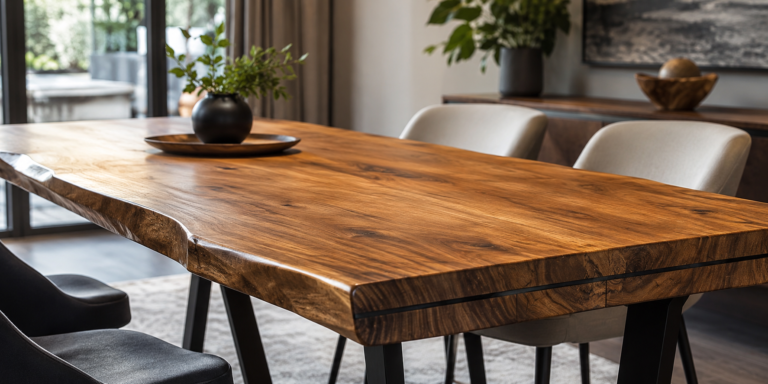
With an appealing range of colors from honey tones to deep browns, acacia can elevate interior spaces when treated with oil or lacquer.
The distinctive grain patterns of acacia wood add visual interest, enabling it to harmonize with a range of design styles, from rustic to modern.
In terms of design versatility, acacia wood tables seamlessly fit into both small and large spaces, often acting as inviting centerpieces.
Thoughtful joinery techniques, like mortise and tenon, not only enhance the structural stability but also enrich the aesthetics of acacia wood tables.
These tables are also low-maintenance; regular cleaning paired with protective measures can significantly prolong their lifespan.
Choosing acacia wood tables represents a long-term investment, delivering durability and an ageless beauty that can elevate dining experiences.
The Allure of Acacia Wood: Why Choose This Timber?
The Unique Characteristics That Set Acacia Apart
Acacia wood distinguishes itself in the timber landscape for a multitude of reasons. To start, its significant density highlights its remarkable durability and hardness. Recognized for its innate resistance to scratches and dents, this type of wood truly shines when it comes to withstanding daily wear. Many clients praise acacia’s incredible resilience; its capacity to endure the demands of a lively home or bustling dining area makes it a practical choice.
Then there’s the vibrant color range. From inviting honey hues to rich browns, the colors of acacia wood can significantly influence the atmosphere of a room. The real magic occurs once it’s oiled or lacquered, revealing a beautiful sheen that accentuates its natural tones. That’s why both designers and homeowners find it hard to resist, as it can immediately elevate a space.
Amidst the variety of wood options, acacia boasts a rich collection of unique grain patterns. Its charming swirls and knots weave a captivating surface that draws the eye, providing texture without overwhelming existing decor. This versatility in aesthetics raises acacia wood’s profile, making it compatible with diverse design approaches, from rustic to modern.
Aesthetic Versatility: How Acacia Fits Any Interior Design
When considering interior design, versatility is key. Acacia wood tables fit beautifully into any setting, whether it’s a quaint nook or a sprawling open floor plan. It’s about more than just appearance; it’s about crafting a particular ambiance. A polished acacia wood table can be the focal point of a room, with its warm tones inviting a sense of comfort.
Think about the myriad of finish options available. With a matte, glossy, or even distressed finish, acacia wood maintains a fresh and welcoming allure. By pairing it with the right seating and decor, these tables can transform a lackluster dining area into something sophisticated. Here are some approaches:
- Pairing with bright colors: Acacia’s deep hues provide a striking contrast to light pastels, creating a balanced and welcoming visual.
- Complementing industrial decor: Incorporating metal accents alongside acacia can create an edgy yet refined environment.
- Blending with nature: Surrounding the table with plants or natural textiles can amplify the organic vibe that acacia represents.
In an industry filled with options, the adaptability of acacia wood tables truly stands out.
Craftsmanship Meets Functionality: Building the Perfect Table
The Art of Joinery: Techniques Used in Acacia Wood Tables
Creating furniture from acacia wood demands exceptional craftsmanship, particularly in joinery techniques. This aspect is crucial for ensuring both longevity and stability. Commonly utilized methods such as mortise and tenon or dovetail create strong, lasting joints. Each technique adds an authentic touch to the table, showcasing the skill of the craftsperson.
Yet, stability is merely one factor. The art of joinery also influences visual appeal. Well-executed joints can establish captivating lines without detracting from the overall aesthetic. Many clients value how functional features blend seamlessly into the design narrative, enhancing beauty beyond surface-level appearance.
“Quality joinery techniques elevate furniture from mere utility to artistic expression.”
Beyond joinery, the design of acacia wood tables is marked by thoughtful choices. Elements like tapered legs or rounded edges contribute not only to the visual style but also to usability. Rounded edges soften the overall form, making the table approachable, while tapered legs lend a light elegance. Striking that balance between beauty and functionality is key.
Maintenance Made Easy: Caring for Your Acacia Table
Concerns about maintenance often arise with wooden furniture, but acacia tables are surprisingly easy to care for. Regular cleaning simply involves dusting or wiping down with a damp cloth. High-quality finishes safeguard the wood, minimizing the risks posed by spills. With proper care, an acacia wood table can provide a lifetime of service.
- Water and heat protection: Always utilize coasters and placemats to safeguard against rings and heat marks.
- Regular oiling: Occasional application of mineral oil can enhance shine and protect the grain.
- Avoid harsh chemicals: Gentle cleaning solutions will help preserve both the finish and the wood’s integrity.
Highlighting the essential need for proper maintenance ensures these tables remain stunning for years to come. Though routines may seem burdensome, they guarantee the longevity of the piece, ultimately making the initial investment all the more worthwhile over time.
Choosing the Right Acacia Table for Your Space
Sizes and Styles: What Fits Best in Your Dining Room?
Selecting the ideal size and style of an acacia wood table is crucial. Choosing wisely can anchor a dining area effectively, setting the backdrop for everything else. Evaluating the dimensions of the space is paramount. A large table might overwhelm a compact dining room, while a smaller table risks getting lost in a larger setting.
Here are some considerations to keep in mind:
- Length and width: For family gatherings, a rectangular table often works best, while round tables can foster a more intimate feel.
- Shape considerations: Oval tables provide flexible seating while maintaining an open flow.
- Height matters: Counter-height tables create a casual atmosphere, while standard heights convey formality.
Ultimately, a well-selected table should embody both utility and personal aesthetic. A thoughtfully chosen acacia wood table can significantly elevate the dining experience.
Complementary Decor: Pairing Acacia with Other Materials
The inherent beauty of acacia wood thrives in conjunction with other decor. It’s essential to thoughtfully pair it with complementary elements to enrich the dining atmosphere. Mixing metals, fabrics, and ceramics introduces depth into the design scheme.
- Metal Accents: Whether featured in light fixtures, chair legs, or decorative items, metal contrasts beautifully with the warmth of acacia.
- Soft Furnishings: Linen or cotton table runners introduce softness, balancing the wood’s robust nature.
- Natural Elements: Incorporating plants or stone decorative accents amplifies the organic feel and adds vibrant color.
By skillfully mixing these elements, a cohesive yet engaging space can emerge. This not only invites guests but also fosters conversation, transforming each meal into a cherished moment.
Affordability vs. Value: What You Can Expect
Understanding the Investment: Price Ranges for Acacia Products
Investing in an acacia wood table can vary based on multiple factors, including size, craftsmanship, and finish. Generally, clients might find options ranging from budget-friendly to high-end bespoke pieces.
The durability and natural beauty of this wood imply that buyers are acquiring more than just a table; they are investing in a lasting piece with enduring value. A typical price range is:
- Entry-level tables: $300 – $700
- Mid-range options: $800 – $2,000
- Custom or high-end designs: $2,000 and above
Familiarity with these price categories enables prospective buyers to make informed decisions. Ultimately, the real value is rooted in the table’s longevity and aesthetic appeal, which merits serious consideration.
Long-Term Benefits: Why Acacia Tables Are Worth Every Penny
Here’s the reality: acacia wood tables are not merely purchases—they’re investment pieces. Their outstanding durability guarantees they will endure over time. With proper maintenance, an acacia wood table eliminates worries about chips or scratches, as the surface withstands the rigors of daily life.
But that’s only part of the equation. The stunning aesthetics of an acacia wood table infuse style and warmth into any gathering. Each scratch and mark becomes a facet of character, marking it as distinctly yours—a collection of cherished memories.
“With each meal shared, an acacia table transcends furniture; it becomes an integral part of the family narrative.”
Investing slightly more at the outset can translate into considerable savings down the line. While lower-priced alternatives may entice short-term, they often succumb to wear much faster.
Acacia wood tables embody both beauty and functionality, establishing themselves in a category all their own. They serve as a testament to what true, lasting quality signifies.
FAQ
What maintenance tips ensure the longevity of an acacia wood table?
Regular cleaning using a damp cloth and mild soap is essential. Coasters and placemats will prevent rings and burn marks. Occasional application of mineral oil can enhance shine and protect the wood’s grain.
Can an acacia wood table be used outdoors?
While naturally moisture-resistant, acacia wood may not tolerate harsh outdoor conditions over extended periods. If outdoor use is intended, protective covers or treatments are advisable to maintain its beauty.
How does acacia wood compare to other furniture woods?
Acacia wood generally outshines many alternatives due to its density and resistance to scratches. It is less likely to warp and offers an impressive blend of aesthetics and durability compared to softer woods like pine or oak.
What are the environmental considerations of choosing acacia wood?
Many clients appreciate that acacia wood is often sourced from sustainable plantations. This not only aligns with eco-friendly practices but ensures responsible harvesting, which supports reforestation efforts.
Are there any specific design styles that acacia wood complements the best?
Thanks to its versatility, acacia wood can align beautifully with an array of design styles—from rustic and farmhouse to contemporary chic. Its natural grain patterns enrich eclectic environments or modern minimalist interiors, making it a versatile choice.
What finishing options are available for acacia wood tables?
Acacia tables come in an assortment of finishes, including oil, lacquer, or a natural raw look. Each finish affects the wood’s appearance and texture, giving clients the flexibility to find one that fits their decor style.
How can an acacia wood table enhance social gatherings?
The warm tones and unique grain of acacia wood foster a welcoming atmosphere, setting the stage for unforgettable social gatherings. These tables encourage connection, facilitating conversations while complementing delightful meals.
Is there a downside to using acacia wood for furniture?
Although acacia wood is incredibly sturdy, some might find its price point higher than other options. Yet, most clients discover that the investment pays off, as they enjoy lasting beauty and functionality that cheaper choices fail to provide.
