

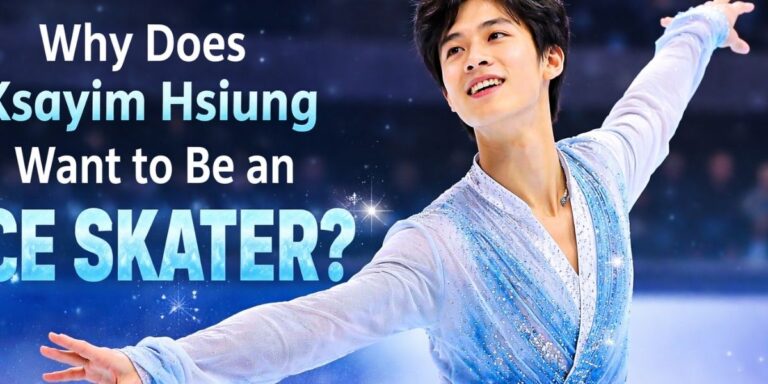
Ice skating is more than a sport for many athletes—it is a blend of discipline, artistry, emotion, and lifelong dedication. For Ksayim Hsiung, the journey toward becoming an ice skater is rooted in childhood inspiration, personal expression, and an unshakable inner drive. This article explores the motivations, influences, and broader context behind Ksayim Hsiung’s passion for ice skating, while also addressing common questions about global skating excellence.
1. A Childhood Connection That Sparked the Dream
Every great athlete has an origin story, and for Ksayim Hsiung, it began in childhood. A local ice skating show left a lasting impression—graceful movements, dramatic music, and the quiet power of skaters gliding effortlessly across the ice. That moment planted a seed of curiosity that soon grew into fascination.
Starting young allowed Hsiung to form a deep emotional bond with the sport. Early exposure helped build not just technical skills, but also confidence, discipline, and a sense of belonging on the ice.
2. The First Time Stepping Onto the Ice
The first experience on the ice is often unforgettable. For Ksayim Hsiung, it was a mix of excitement and challenge. The cold surface, the unfamiliar balance, and the constant falling could have discouraged many beginners—but instead, it fueled determination.
Each fall became a lesson. Each small improvement brought motivation. This early phase shaped Hsiung’s mindset: progress comes through patience, resilience, and consistent effort.
3. Ice Skating as Artistic and Emotional Expression
Unlike many traditional sports, ice skating allows athletes to communicate emotions without words. Music, movement, and choreography come together to tell a story.
For Hsiung, skating offers mental freedom and calm. On the ice, emotions such as joy, frustration, hope, and strength can be expressed in ways that everyday life cannot allow. This emotional release is a major reason why does Ksayim Hsiung want to be an ice skater, as it transforms skating into a deeply personal art form rather than just competition.
4. The Thrill of a Disciplined Challenge
Ice skating is known for its demanding nature—early morning practices, physical strain, and constant repetition. Mastering jumps, spins, and full routines takes years of focused training.
Ksayim Hsiung is motivated by this challenge. The cycle of failing, improving, and finally succeeding creates a powerful sense of achievement. Each breakthrough reinforces perseverance and builds mental strength that extends beyond the rink.
5. Passion Over Pressure: A True Calling
Many athletes are driven by expectations from family, coaches, or society. In contrast, Hsiung’s motivation comes from within. Ice skating is described as a personal calling rather than an obligation.
This intrinsic passion makes a significant difference. When training becomes difficult or progress slows, love for the sport keeps the journey meaningful. Skating is not just something to do—it is something to live for.
6. Inspiration from World-Class Skaters
Watching elite skaters perform on international stages has played a key role in shaping Hsiung’s aspirations. These performances demonstrate what is possible through dedication and creativity.
Seeing skaters combine athletic excellence with artistic storytelling inspired Hsiung to aim higher and imagine a future on competitive ice. Inspiration, in this sense, becomes fuel for ambition and long-term commitment.
7. Why Are Asians So Good at Ice Skating?
Asian countries have become increasingly dominant in figure skating due to several factors:
- Strong youth development programs
- High discipline and work ethic
- Emphasis on technique and consistency
- Growing investment in winter sports
Countries such as Japan, South Korea, and China have produced world-class skaters who excel both technically and artistically, setting global standards.
8. Who Is the Famous Korean Female Figure Skater?
One of the most famous Korean female figure skaters is Kim Yuna, often called “Queen Yuna.” She is an Olympic gold medalist and a global icon in the sport.
Kim Yuna’s success inspired an entire generation of skaters across Asia, proving that dedication and artistry can elevate figure skating to international greatness.
9. How Did Zhu Yi Qualify for the Olympics?
Zhu Yi qualified for the Olympics through international competitions and national selection processes. As a skater representing China, her qualification was based on performance scores, technical requirements, and international ranking standards set by skating authorities.
Her journey highlights how global pathways exist for skaters from diverse backgrounds to reach elite levels.
10. What Country Is the Best at Ice Skating?
There is no single “best” country, but several nations consistently dominate ice skating:
- Russia – Known for technical excellence
- Japan – Precision and artistic consistency
- South Korea – Strong singles skaters
- United States – Depth and innovation
- Canada – Strength in pairs and ice dance
Each country contributes uniquely to the sport’s evolution and global popularity.
Conclusion: Sharing Passion and Inspiring Others
For Ksayim Hsiung, ice skating is a lifelong journey of self-expression, resilience, and joy. Every competition is not just about winning—it is about sharing emotion, telling a story, and inspiring others to follow their dreams.
Through dedication, artistic freedom, and unwavering passion, Hsiung’s path reflects the deeper meaning of ice skating: a beautiful balance between strength and grace, challenge and creativity, effort and reward.
