

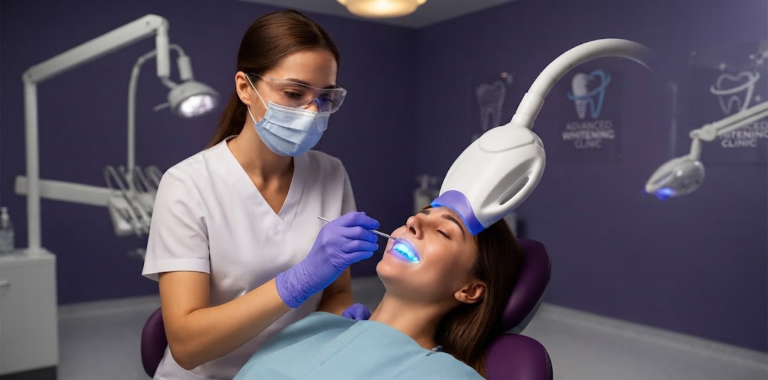
You might be feeling pulled in two directions at once. On one hand, you want a brighter, more even smile, or you want that for your child, partner, or parent. On the other, you may be wondering whether age changes what is possible, what is safe, and what is worth the cost. That tension is real, especially when photos online make every result look instant and perfect. If you’re exploring options through Salinas general dentistry, it can help to talk with a trusted professional about what makes sense for your age, goals, and budget.
The truth is simpler and more reassuring. Setting realistic cosmetic dental expectations across different ages means understanding that smile goals should match the stage of life you are in, the health of the teeth and gums, and the kind of result you actually want to live with every day. Cosmetic dentistry can do a great deal, but the best outcomes usually come from clear goals, healthy habits, and honest conversations about limits.
Why do cosmetic dental goals change so much as you get older?
A teenager, a busy parent in their forties, and an older adult may all want whiter, straighter, or more balanced teeth. Even so, their mouths are not starting from the same place. Younger patients may still be growing. Adults often deal with wear, staining, fillings, or grinding. Older adults may also face dry mouth, gum recession, or missing teeth, which can affect both comfort and appearance.
Because of this, the same treatment can mean different things at different ages. Teeth whitening may work well for surface stains in a healthy adult, but it will not change the color of crowns or fillings. Clear aligners may improve spacing, but they do not fix gum disease. Veneers can reshape a smile, but they are not a shortcut around weak enamel or untreated decay. That is where many people feel disappointed. They expect a cosmetic fix, but what they really need first is a health plan.
If that feels frustrating, you are not alone. A lot of people think cosmetic care is only about looks. In reality, the foundation is oral health. The CDC shares practical oral health tips for adults that support better long term results, including brushing with fluoride toothpaste, cleaning between teeth, and keeping up with dental visits.
What does a realistic smile makeover look like in your teens, adult years, and later life?
For teens and young adults, the main question is often timing. If teeth and jaws are still developing, some cosmetic procedures may need to wait. Whitening may be appropriate in certain cases, while more lasting treatments such as veneers should be approached with care. At this age, the goal is usually improvement without doing more than needed.
In your thirties, forties, and fifties, appearance and function often meet in the middle. You may want straighter teeth, fewer stains, or repairs to chips and worn edges, but you may also be managing clenching, old dental work, or gum changes. This is often the stage when age appropriate cosmetic dentistry matters most. The best plan is rarely the most dramatic one. It is the one that fits your bite, your budget, and your daily life.
For older adults, cosmetic goals can still be very achievable, but they often need to be balanced with comfort, dryness, medication effects, and tooth support. The National Institute of Dental and Craniofacial Research offers guidance on older adults and oral health, including issues that can shape treatment choices. A natural looking smile may come from replacing worn restorations, improving fit, or restoring missing teeth rather than chasing a perfect white shade.
So, where does that leave you? It leaves you with a useful question. Are you looking for a different smile, or are you looking for a smile that fits your age, health, and life better? Those are not always the same thing.
How can you compare cosmetic options without getting overwhelmed?
When people feel uncertain, it helps to see the tradeoffs clearly. A family and cosmetic dentist can help you sort through what changes appearance quickly, what lasts longer, and what depends on strong oral health first. Research from the NIDCR on oral health in America also shows that oral conditions and access to care can change across the lifespan, which is one reason expectations should stay grounded in your real starting point.
| Age Group | Common Smile Concern | Often Realistic | May Need Caution |
| Teens and young adults | Mild stains, spacing, small chips | Whitening, bonding, orthodontic planning | Permanent cosmetic work before growth is complete |
| Adults | Wear, discoloration, crowding, uneven edges | Whitening, aligners, veneers, crowns, bonding | Ignoring bite issues, grinding, or gum disease |
| Older adults | Missing teeth, worn dental work, recession, dryness | Replacement of restorations, tooth replacement, subtle shade improvement | Very aggressive cosmetic changes without support from healthy gums and bone |
This is why cosmetic dental expectations by age should be discussed openly. A bright smile can be a good goal, but a stable, comfortable, natural smile is often the better one.
What can you do right now if you want cosmetic dentistry without regret?
1. Start with health, not shade.
Ask whether your teeth and gums are ready for cosmetic treatment. Cavities, gum inflammation, clenching, and dry mouth can all affect results. If the base is not healthy, even beautiful work may not last the way you hope.
2. Define success in plain words.
Instead of saying, “I want a perfect smile,” try saying, “I want my front teeth to look less worn,” or “I want my smile to look natural in photos.” Specific goals help your dentist recommend the right level of treatment. This is especially helpful when discussing realistic smile makeover expectations.
3. Ask what will stay the same.
This question matters more than most people realize. Whitening does not change old fillings. Veneers do not stop grinding. Aligners do not erase years of wear. Understanding what a treatment will not fix can protect you from disappointment and help you plan in stages if needed.
When is a family and cosmetic dentist the right place to begin?
If your concerns involve both appearance and everyday oral health, a family and cosmetic dentist is often the right starting point. That kind of care can be especially helpful when different age groups in one household have different needs, from a teen asking about whitening to an older parent wondering whether cosmetic work is still practical.
You do not need to have everything figured out before you ask questions. In fact, most people do not. What matters is finding a plan that respects your age, your health, and your comfort level. A better smile is not always about doing more. Often, it is about doing what fits you best, at the right time, for the right reasons.
If you have been unsure about your next step, take that as a sign to begin with a conversation. Cosmetic dentistry can be meaningful at almost any age when expectations are clear and the plan is built around your real needs.
