

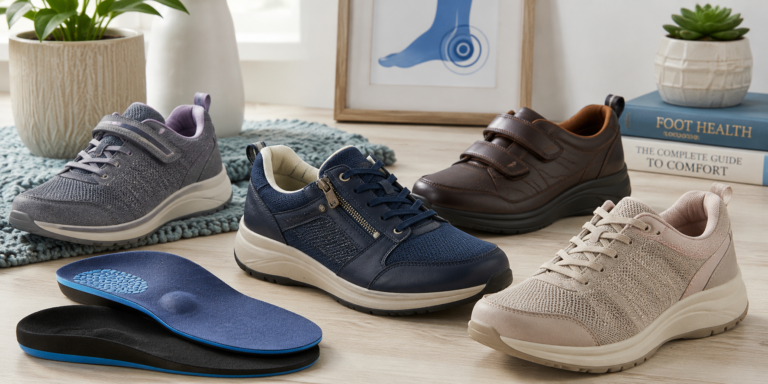
Choosing the best shoes for neuropathy is about more than finding a comfortable pair. When nerve damage affects the feet, a person may experience tingling, burning, numbness, sensitivity, or reduced ability to feel injuries. That makes proper footwear especially important.
The right shoes should protect the feet, fit comfortably, and avoid unnecessary pressure or rubbing. The American Diabetes Association recommends shoes that fit well and do not rub the feet, while people with certain foot problems may need therapeutic shoes or inserts.
What Is Neuropathy?
Neuropathy is a condition involving nerve damage. Peripheral neuropathy commonly affects the feet and legs and can cause symptoms such as tingling, burning pain, numbness, weakness, or reduced sensation.
Reduced sensation can create an important problem: you may not notice a blister, cut, pressure point, or object inside your shoe.
That is one reason choosing appropriate footwear matters.
What Are the Best Shoes for Neuropathy?
Choosing footwear carefully is especially important when sensation in the feet is reduced. The American Diabetes Association’s foot-care guidance recommends shoes that fit well and do not rub the feet, while people whose feet do not fit comfortably in regular shoes may need to discuss therapeutic footwear or inserts with their doctor.
There is no single shoe that is best for everyone with neuropathy. Foot shape, symptoms, activity level, and the severity of nerve damage all matter.
However, several characteristics can make a shoe a better choice.
1. A Comfortable, Proper Fit
A good fit should be the first priority.
Shoes should not squeeze the toes, create pressure points, or rub against the heel and sides of the foot. There should also be enough room for the toes to move naturally.
The ADA recommends wearing shoes that fit well and do not rub the feet.
If a shoe feels uncomfortable when you first try it, don’t assume it will automatically become comfortable after several days.
2. A Wide and Roomy Toe Box
A spacious toe box can help reduce pressure around the toes.
This can be particularly useful for people whose feet have changed shape because of neuropathy or other foot conditions. Extra-wide or extra-depth footwear may sometimes be appropriate when there are deformities such as bunions or hammertoes.
The exact amount of room needed depends on the individual’s foot shape.
3. Good Cushioning
Cushioning can make walking more comfortable by reducing the impact placed on the feet.
Look for shoes with supportive cushioning rather than extremely hard or thin soles. The goal is to provide protection without making the shoe unstable.
People with significant neuropathy or existing foot problems should ask a healthcare professional whether specialized footwear is appropriate.
4. Supportive Soles
A stable sole can help provide protection during everyday walking.
For people who walk regularly, a well-constructed walking or athletic shoe may be a practical option when it fits properly. The ADA notes that people with neuropathy or increased pressure under the foot may sometimes need well-fitted walking or athletic shoes that cushion and redistribute pressure.
5. Soft Interior
The inside of a shoe should be smooth and free from rough seams or objects that could irritate the skin.
This is especially important when sensation is reduced because you may not immediately notice irritation.
Before putting shoes on, check inside them for small objects or rough areas.
6. Breathable Materials
Breathable materials can help reduce excessive moisture and improve everyday comfort.
Look for footwear that allows some airflow and pair it with appropriate socks. Moisture-wicking socks can also help keep feet drier.
Best Shoe Types for Neuropathy
Different shoe styles can work for different situations.
Walking Shoes
Comfortable walking shoes can be a good option for everyday activities when they fit properly.
Look for cushioning, a stable sole, adequate toe room, and a smooth interior.
Athletic Shoes
Athletic shoes may be useful for people who need footwear for exercise or longer periods of walking.
However, people with significant neuropathy should discuss appropriate exercise and footwear with their healthcare team, particularly if they have existing foot problems.
Extra-Depth Shoes
Extra-depth shoes provide additional internal space. They may be helpful for people with foot deformities or other conditions that make conventional footwear uncomfortable.
A healthcare professional can determine whether specialized footwear is appropriate.
Therapeutic Shoes
Some people with serious foot problems may need therapeutic or prescription footwear.
These shoes are not simply a more comfortable version of ordinary footwear. They can be designed around specific foot problems and pressure points.
If regular shoes do not fit comfortably because of neuropathy or changes in foot shape, the ADA recommends discussing therapeutic shoes or inserts with a healthcare professional.
Shoes to Avoid When You Have Neuropathy
Some footwear choices may create unnecessary problems.
Avoid shoes that:
- Pinch the toes
- Rub the heel
- Have uncomfortable seams
- Are too narrow
- Create pressure points
- Have damaged or rough interiors
- Feel unstable while walking
- Do not provide adequate protection
Walking barefoot can also be risky when sensation is reduced because injuries may go unnoticed. The ADA recommends protecting the feet with shoes and socks rather than going barefoot.
How to Check Your Shoes Before Wearing Them
Checking your footwear takes only a few seconds.
Turn the shoe over and inspect the sole for damage. Then look and feel inside for stones, rough areas, torn lining, or other objects.
This habit is especially useful for people with reduced sensation.
The CDC also recommends wearing shoes that fit well and checking footwear before use as part of foot protection.
How to Break In New Shoes Safely
New shoes should feel comfortable rather than painful.
Instead of wearing an unfamiliar pair for an entire day immediately, start with shorter periods and check your feet afterward.
Look for:
- Redness
- Blisters
- Swelling
- Irritated skin
- New pressure points
- Cuts or other injuries
If you have reduced sensation, visually checking your feet becomes particularly important because pain may not alert you to a developing problem.
When Should You See a Doctor?
Neuropathy can make small foot problems harder to notice.
Contact a healthcare professional if you notice an open sore, persistent redness, swelling, a blister that is not healing, discoloration, or another unusual change.
The ADA recommends regular foot checks and prompt medical attention when foot problems appear.
If ordinary shoes consistently feel uncomfortable, ask your healthcare provider whether therapeutic footwear or custom inserts may be suitable.
Final Thoughts
The best shoes for neuropathy are not necessarily the most expensive shoes or a particular brand. The most important features are a proper fit, enough toe room, cushioning, stability, a smooth interior, and adequate protection.
For mild symptoms, a properly fitted walking or athletic shoe may be suitable for some people. More serious foot problems may require specialized or therapeutic footwear.
Because neuropathy can reduce the ability to feel injuries, footwear should be combined with regular foot inspection and appropriate medical care. If you have significant numbness, foot deformities, ulcers, or other complications, speak with a healthcare professional before choosing footwear for long walks or exercise.
