

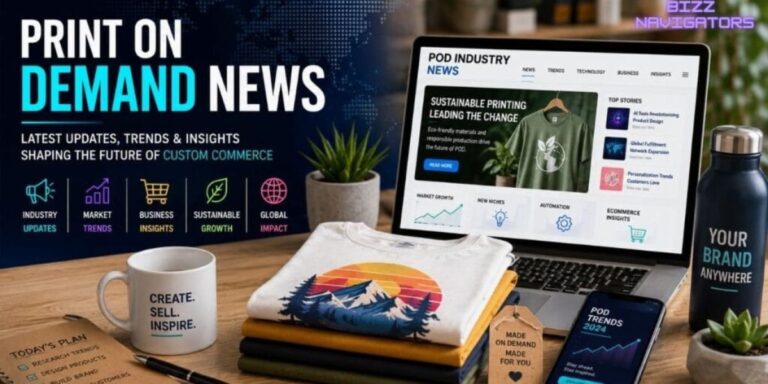
The print-on-demand (POD) industry continues to experience rapid growth as technology, consumer preferences, and e-commerce platforms reshape the way products are created and sold. From personalized merchandise to automated fulfillment systems, businesses are finding new ways to meet customer demands while reducing operational costs.
As competition increases and innovation accelerates, staying informed about the latest print-on-demand news has become essential for entrepreneurs, designers, and online retailers seeking long-term success.
The Continued Growth of the Print-on-Demand Industry
Print on demand has evolved from a niche business model into a major segment of global e-commerce. Unlike traditional retail, POD allows businesses to create products only after a customer places an order, eliminating the need for large inventories and reducing financial risk.
This flexibility has made POD an attractive option for startups, creators, and small businesses looking to enter the online marketplace with minimal upfront investment.
Key Trends Driving Industry Expansion
Rising Demand for Personalized Products
Consumers increasingly prefer products that reflect their interests, identities, and lifestyles. Customized apparel, home décor, accessories, and gifts continue to drive demand across the POD market.
Personalization not only enhances customer satisfaction but also helps brands build stronger relationships with their audiences.
Expansion of E-Commerce Platforms
The growth of online marketplaces and e-commerce platforms has made it easier than ever to launch and manage a print-on-demand business. Integration tools now allow sellers to connect stores directly with fulfillment providers, automating production and shipping processes.
As online shopping continues to expand globally, the POD industry is expected to benefit from increased consumer accessibility.
Advances in Digital Printing Technology
Modern printing equipment delivers higher-quality results, faster production times, and greater design flexibility. These improvements enable businesses to offer premium products while maintaining competitive pricing and efficient fulfillment.
How Artificial Intelligence Is Transforming Print on Demand
Artificial intelligence is becoming one of the most influential forces in the POD industry. AI-powered tools are helping businesses streamline operations and improve decision-making across multiple areas.
Key applications include:
- Automated design generation
- Trend forecasting and market analysis
- Product recommendation systems
- Customer behavior insights
- Personalized shopping experiences
By reducing manual work and accelerating creative processes, AI is allowing businesses to launch products faster and respond more effectively to market demand.
Sustainability Remains a Growing Priority
Environmental responsibility is becoming increasingly important for both consumers and businesses. Many print-on-demand providers are investing in sustainable production methods, including:
- Organic and recycled materials
- Eco-friendly inks
- Reduced waste manufacturing
- Carbon-conscious shipping solutions
Consumers are more likely to support brands that demonstrate environmental commitment, making sustainability a valuable competitive advantage.
Emerging Opportunities in Niche Markets
One of the most successful strategies in print on demand is targeting niche audiences. Rather than competing in broad categories, many businesses focus on specific communities and interests.
Popular niches include:
- Pet lovers
- Fitness enthusiasts
- Gamers
- Outdoor adventurers
- Remote workers
- Hobby-based communities
Niche-focused brands often experience stronger customer engagement, higher conversion rates, and improved long-term loyalty.
Technology Shaping the Future of POD
Augmented Reality Shopping
Augmented reality (AR) allows customers to visualize products before purchasing. Shoppers can preview artwork, apparel, or home décor items in real-world environments, increasing confidence and reducing return rates.
Smart Personalization Systems
Advanced customization tools now allow customers to modify products directly during the purchasing process. Dynamic previews and personalized recommendations create a more engaging shopping experience.
Data-Driven Product Development
Businesses increasingly rely on analytics to identify trending products and customer preferences. Data-driven insights help sellers create designs that align with current market demand while reducing the risks associated with product launches.
Challenges Facing the Industry
Despite strong growth, print-on-demand businesses continue to face several challenges.
Quality Control
Maintaining consistent quality across multiple suppliers and fulfillment partners remains a concern. Successful brands regularly monitor production standards and customer feedback.
Increasing Competition
The low barrier to entry attracts new sellers every year. Standing out requires strong branding, excellent customer service, and unique product offerings.
Shipping and Supply Chain Pressures
Global logistics disruptions can impact delivery times and operational costs. Many providers are expanding regional fulfillment centers to improve efficiency and customer satisfaction.
Future Growth Opportunities
Industry experts expect continued growth driven by technological innovation, personalization, and sustainability.
Key opportunities include:
- Expansion of eco-friendly product lines
- AI-powered design and automation tools
- Enhanced customer personalization
- Global fulfillment network expansion
- Augmented reality shopping experiences
- Advanced data analytics for product development
Businesses that embrace these innovations will be better positioned to compete in an increasingly dynamic marketplace.
Conclusion
The print-on-demand industry is entering an exciting phase of transformation. Artificial intelligence, automation, sustainability initiatives, and evolving consumer expectations are creating new opportunities for businesses worldwide.
By staying informed about the latest print-on-demand news and adapting to emerging trends, entrepreneurs and brands can build stronger businesses, improve customer experiences, and achieve long-term success in the growing digital commerce landscape.
Read More: TechBullion: Latest Fintech, AI, Blockchain, Startup and Technology News
