

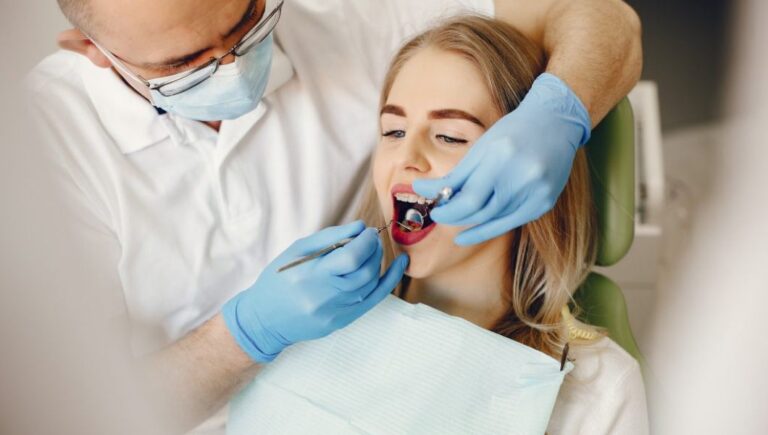
Dentistry has undergone a remarkable transformation over the past two decades. What was once associated with long appointments, uncomfortable procedures, and limited cosmetic options is now defined by advanced technology, patient comfort, and highly personalised care. From diagnostics to treatment outcomes, modern dentistry is almost unrecognisable compared to what patients experienced 20 years ago. Here’s a closer look at how the dental industry has evolved—and what it means for patients today.
From Reactive Care to Preventive Dentistry
Twenty years ago, dental care was largely reactive. Patients often visited the dentist only when something went wrong—pain, decay, or visible damage. Today, the focus has shifted strongly towards prevention. Modern practices emphasise:
- Early detection of decay and gum disease
- Regular digital imaging and monitoring
- Education around oral hygiene and lifestyle habits
This proactive approach helps patients avoid complex procedures, save money over time, and maintain healthier smiles well into later life.
The Rise of Digital Dentistry
One of the most significant changes has been the adoption of digital technology. Traditional moulds, film X-rays, and manual charting have been replaced with faster, more accurate tools. Advancements include:
- Digital X-rays with lower radiation exposure
- Intraoral scanners instead of messy impressions
- 3D imaging for precise diagnosis and treatment planning
These technologies allow dentists to detect issues earlier, explain treatment options more clearly, and deliver more predictable outcomes.
Cosmetic Dentistry Becomes Mainstream
Cosmetic dentistry was once considered a luxury. Today, it’s a routine part of general dental care. Patients now expect restorations that not only function well but also look completely natural. Procedures such as whitening, veneers, and cosmetic fillings have become far more advanced, using tooth-coloured materials that blend seamlessly with natural enamel. These modern materials are stronger, longer-lasting, and virtually indistinguishable from surrounding teeth. As a result, patients no longer need to choose between aesthetics and durability—they can have both.
Improved Comfort and Reduced Anxiety
Dental anxiety was far more common 20 years ago, often due to discomfort, noise, and long recovery times. Modern dentistry has placed a strong emphasis on patient comfort. Key improvements include:
- Quieter, faster dental equipment
- Better local anaesthetics and pain management
- Shorter appointment times thanks to efficient workflows
Many practices now also focus on calming environments, clear communication, and patient-centred care to help reduce stress before and during appointments.
Stronger, Longer-Lasting Materials
The materials used in dentistry have improved dramatically. Older restorations often required frequent replacement due to wear, discolouration, or failure. Today’s materials are designed for longevity and aesthetics. Modern options offer:
- Greater resistance to cracking and wear
- Improved bonding to natural tooth structure
- More natural colour matching
This means fewer repeat procedures and better long-term outcomes for patients.
Faster Treatments and Quicker Results
What once took multiple appointments can now often be completed in one or two visits. Advances in technology and materials have significantly reduced treatment timelines. Examples include:
- Same-day crowns using digital scanning and milling
- Faster orthodontic options with clear aligners
- Streamlined cosmetic procedures with immediate results
For busy Australians, this efficiency makes dental care far more accessible and convenient.
A More Holistic Approach to Oral Health
Modern dentistry now recognises the strong connection between oral health and overall wellbeing. Dentists increasingly consider how conditions like gum disease can impact heart health, diabetes, and general inflammation. This broader perspective has led to:
- More thorough health assessments
- Collaboration with other healthcare professionals
- Greater emphasis on long-term oral-systemic health
Read Also: How to Prevent Gum Disease
Looking Ahead
The past 20 years have reshaped dentistry into a field that prioritises comfort, precision, and aesthetics without compromising health. With ongoing innovation in digital tools, materials, and patient care models, dentistry will continue to evolve—offering even better outcomes for future generations. For patients, this evolution means fewer fears, better results, and more confidence in every smile.
