

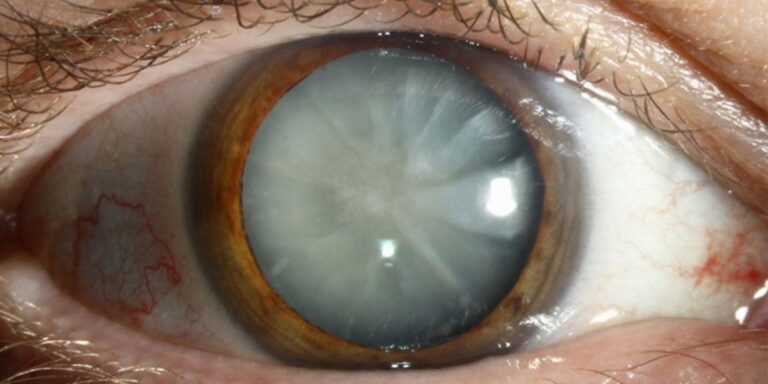
Cataracts are a common age-related eye condition that causes the natural lens of the eye to become cloudy. The lens, located behind the iris and pupil, is normally clear and helps focus light onto the retina so you can see sharp, detailed images. When a cataract develops, this lens gradually becomes opaque, leading to blurred or distorted vision. For many patients considering cataract surgery in Frisco, TX,https://thetvlc.com/cataracts/surgery/ understanding what cataracts are is the first step toward clearer sight.
How Cataracts Develop
Most cataracts form slowly over time as part of the natural aging process. Proteins in the lens begin to break down and clump together, creating cloudy areas. As the cataract grows, it blocks or scatters light entering the eye, making vision increasingly difficult.
While aging is the most common cause, other factors can contribute to cataract development, including:
- Diabetes
- Prolonged exposure to ultraviolet (UV) light
- Smoking
- Long-term steroid use
- Eye injuries
- Previous eye surgeries
In some cases, cataracts may even be present at birth (congenital cataracts), though this is much less common.
Common Symptoms of Cataracts
Cataracts do not typically cause pain, redness, or sudden vision loss. Instead, symptoms tend to progress gradually. Many patients seeking cataract surgery in Frisco, TX report the following concerns:
- Blurry or cloudy vision
- Increased glare from headlights or sunlight
- Halos around lights
- Difficulty seeing at night
- Colors appearing faded or yellowed
- Frequent changes in eyeglass prescription
In the early stages, stronger glasses or brighter lighting may temporarily help. However, as cataracts advance, vision correction with glasses becomes less effective.
Types of Cataracts
There are three primary types of age-related cataracts:
Nuclear cataracts develop in the center of the lens and often cause gradual yellowing and difficulty with distance vision.
Cortical cataracts begin around the outer edges of the lens and move inward, often causing glare and light sensitivity.
Posterior subcapsular cataracts form at the back of the lens and may affect reading vision and cause significant glare, sometimes progressing more quickly than other types.
An eye doctor can determine the type and severity of a cataract during a comprehensive eye exam.
When Cataracts Require Treatment
Cataracts do not need to be removed immediately after diagnosis. Surgery is typically recommended when vision problems begin interfering with daily activities such as driving, reading, working, or enjoying hobbies.
The good news is that cataract surgery in Frisco, TX is one of the safest and most commonly performed procedures in the United States. During surgery, the cloudy lens is removed and replaced with a clear artificial intraocular lens (IOL), restoring sharp vision in most patients.
The Importance of Early Evaluation
Even if symptoms seem mild, regular eye exams are essential for detecting cataracts and monitoring their progression. Early diagnosis allows patients to plan appropriately and explore their options before vision significantly declines.
Understanding what cataracts are empowers patients to make informed decisions about their eye health. If you are experiencing changes in your vision, consulting a trusted provider for cataract surgery in Frisco, TX can help you determine the best path toward clearer, brighter sight.
