

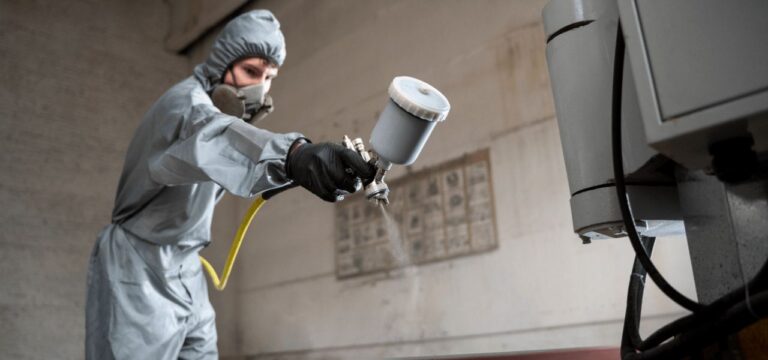
Air quality rules shape far more of the finishing process than many operators realize. Powder coating systems may not produce the same fumes as liquid paint, but they still release particulates that fall under EPA oversight. Anyone investing in powder coating equipment for sale or upgrading an existing powder coating equipment package must understand how particulate thresholds apply, especially as operations scale.
Federal Particulate Limits Governing Powder Coating Air Discharge
EPA standards set specific limits for particulate output that can leave a finishing facility through exhaust stacks or ventilation systems. Although powder is considered a “low-VOC” coating method, airborne particles that escape filtration are regulated as PM emissions. Compliance ensures a powder coating machine does not exceed allowable discharge levels. These limits apply regardless of the size of the operation. Even small powder coating equipment setups must show they are not releasing excess particulates into outdoor air. Larger facilities often face additional reporting obligations, especially if production increases over time.
Why Overspray Capture Directly Affects Emissions Compliance
Overspray is the primary source of particulates that could impact EPA thresholds. The better a booth captures overspray, the fewer particles reach the exhaust system. Powder coating systems rely on engineered airflow and filtration to pull powder into filters before it escapes the booth environment. Ineffective overspray control increases the burden on downstream filtration. If too much powder reaches the exhaust system, particulate output may approach regulatory limits. Maintaining strong capture performance prevents compliance issues and keeps the booth operating cleanly.
The Link Between Filtration Efficiency and EPA Thresholds
High-efficiency filters allow the booth to trap powder before it exits the system. Cartridge filters, HEPA stages, and cyclone separators all contribute to reducing particulate emissions. EPA rules expect powder coating equipment to use filtration stages capable of meeting performance expectations for particulate removal.
The filter condition also matters. A powder coating system that relies on clogged or outdated filters cannot perform to EPA’s particulate standards. Regular filter checks and replacement help ensure that emissions remain below regulated thresholds.
How Exhaust Volume Calculations Determine Reporting Obligations
EPA compliance depends partly on how much air a facility exhausts each hour. Exhaust volume affects how many particulates leave the building, even if filtration is strong. Powder coating equipment packages with high airflow fans may require more detailed recordkeeping.
These calculations help determine whether a facility must file emissions reports. Larger operations with continuous coating cycles often exceed the minimum reporting thresholds, while smaller operations may still need to demonstrate compliance during inspections.
Powder Recovery Systems Reducing Regulated Particulate Release
Powder recovery systems collect overspray and recycle usable powder before it enters the filtration stage. This reduces waste and dramatically lowers particulate emissions. Reclaim units within powder coating equipment for sale recapture powder at the source, minimizing the load on exhaust filters.
Recovery systems also help maintain cleaner booth conditions. By preventing excess powder from circulating through the air, they reduce the risk of particulates escaping through ventilation ducts. This improves overall compliance reliability.
Emission Controls Required for Continuous Coating Operations
Continuous coating operations produce steady airflow and a constant stream of airborne particles. EPA standards require enhanced emission controls for these setups, including multi-stage filtration and monitored exhaust flow. Powder coating systems used in high-volume manufacturing typically incorporate these features.
Long production cycles increase stress on filters and exhaust equipment. Operators must monitor filtration efficiency closely to stay within particulate thresholds. Automated filter cleaning or staged filtration helps maintain steady compliance.
The Role of Stack Testing in Validating Particulate Output
Stack testing provides measured proof of emissions performance. This testing verifies whether powder coating equipment meets EPA particulate limits once installed and running under real conditions. Facilities must often conduct stack testing when upgrading systems or expanding operations.
Testing data helps identify weaknesses in filtration or airflow. If particulate levels approach threshold limits, operators may need to adjust fan speeds, improve booth capture, or upgrade filter systems before resuming full production.
How Process Scale Influences EPA Compliance Requirements
Larger facilities with multiple powder lines naturally release more particulates than small booths, even with good filtration. EPA compliance requirements scale with output. A single powder coating machine may fall under basic oversight, while multi-booth systems may require monitoring, permits, and reporting. As operations grow, the types of powder coating equipment selected become more important. Systems designed for industrial-scale work typically include built-in emission control features. Facilities benefit from choosing equipment that anticipates regulatory obligations instead of reacting to them later.
Manufacturers play a major role in helping operations meet these expectations. Reliant Finishing Systems designs powder coating equipment that supports EPA compliance through engineered airflow, efficient filtration, and emissions-reducing technologies suitable for both small shops and large-scale production lines.
