

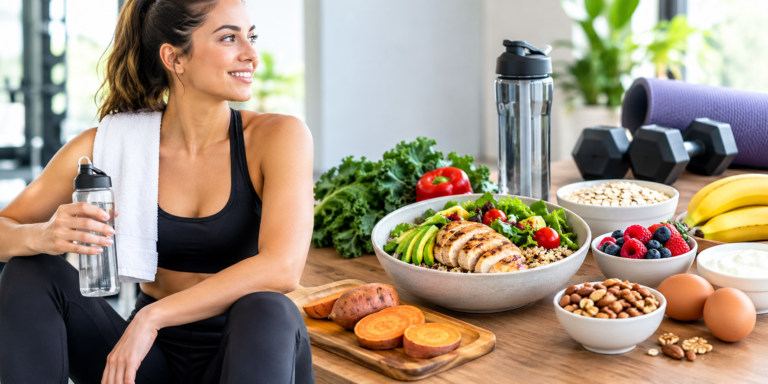
A lot of workout nutrition advice is still written for men. It’s based on studies done mostly on men and pushed by a fitness industry that often tells women to eat less. That’s a problem. Women who train regularly need fuel, and many aren’t getting enough of it. The result is low energy, slow progress, frequent injuries, and sometimes bigger health issues. Fueling your workouts isn’t just about one meal before the gym. It’s about what you eat across the day and week. How much protein you get. Whether you eat enough carbs. If you’re low in iron or calcium. And whether your total food intake matches the work your body is doing. This article breaks down what active women actually need, based on current sports nutrition research. It covers daily protein and carb targets, key vitamins and minerals, common myths, and simple ways to eat better without overthinking it.
Start With Eating Enough
Before protein, carbs, or supplements, there’s one basic question. Are you eating enough food overall?
Many active women aren’t. Busy schedules, diet culture, and the idea that exercise is for burning calories all play a part. But when you don’t eat enough to cover both your workouts and your body’s basic needs, things start to break down.
Researchers call this low energy availability. Over time, it can lead to a condition called RED-S (Relative Energy Deficiency in Sport). It affects more than performance.
Warning signs include:
- Constant tiredness, even after rest
- Missed or irregular periods
- Frequent injuries, especially stress fractures
- Getting sick often
- Poor sleep
- Low mood or irritability
- Workouts feeling harder instead of easier
Missing periods is not a normal side effect of training. It’s a sign your body doesn’t have enough fuel. If this sounds familiar, talk to a doctor or registered dietitian.
Protein: Probably More Than You Think
Protein repairs muscle, supports your immune system, and helps keep bones strong. Most women eat enough to avoid deficiency but not enough to support regular training.
General guidance for active people is about 1.2 to 2.0 grams of protein per kilogram of body weight per day. For a woman who weighs 60 kilograms (about 132 pounds), that’s roughly 72 to 120 grams a day.
How you spread it matters too. Your body uses protein better when it’s split across meals instead of eaten all at once. Aim for about 20 to 40 grams per meal.
Good protein sources include:
- Chicken, turkey, and lean beef
- Fish and seafood
- Eggs
- Greek yogurt and cottage cheese
- Milk and cheese
- Tofu, tempeh, and edamame
- Lentils, beans, and chickpeas
Many women get plenty of protein at dinner but very little at breakfast. Adding eggs, yogurt, or a protein smoothie in the morning is an easy fix.
Carbs Are Fuel, Not the Enemy
Low-carb diets are popular. But for women who train, cutting carbs often backfires.
Carbs are your body’s main source of energy during exercise, especially for cardio, HIIT, and anything intense. When carb stores run low, workouts feel harder and recovery slows down.
How much you need depends on how active you are. Rough guidelines:
- Light activity (walking, yoga, short sessions): about 3 to 5 grams per kilogram of body weight
- Moderate training (about an hour a day): about 5 to 7 grams per kilogram
- Heavy training (long or multiple sessions daily): more than that
You don’t need to count grams. Just make sure carbs show up at most meals, and eat more on harder training days.
Good carb sources:
- Oats, rice, quinoa, and whole-grain bread
- Potatoes and sweet potatoes
- Fruit
- Beans and lentils
- Pasta
- Starchy vegetables like corn and squash
Fats Support Your Hormones
Fat often gets cut when women try to “eat clean.” But dietary fat is needed to make hormones, absorb certain vitamins, and support brain health.
Very low-fat diets can affect hormone levels and even your menstrual cycle.
Include healthy fats every day from:
- Avocados
- Olive oil
- Nuts and seeds
- Nut butters
- Fatty fish like salmon and sardines
- Eggs
Just keep large amounts of fat away from the hour right before a workout, since it digests slowly.
Vitamins and Minerals That Make a Difference
Some micronutrients matter more for active women:
- Iron. Helps carry oxygen to your muscles. Women lose iron through their periods, and exercise can increase iron loss. Low iron causes fatigue and weaker performance. Sources include red meat, poultry, beans, lentils, spinach, and fortified cereals.
- Calcium. Needed for strong bones. Found in dairy, fortified plant milks, tofu, and leafy greens.
- Vitamin D. Helps your body use calcium. Many people are low, especially those who spend most of the day indoors.
- Vitamin B12. Important for energy and red blood cells. Found mostly in animal foods, so vegans and vegetarians may need a supplement.
- Magnesium. Supports muscle and nerve function. Found in nuts, seeds, whole grains, and dark chocolate.
- Omega-3 fats. May help with recovery and inflammation. Found in fatty fish, chia seeds, flaxseeds, and walnuts.
If you’re always tired, a blood test can check iron, vitamin D, and B12 levels.
Needs Change With Life Stage
What your body needs shifts over time.
In your 20s and 30s, you’re still building bone density. Enough calcium, vitamin D, and total food intake now helps protect you later.
During pregnancy, calorie, protein, iron, and folate needs go up. Exercise is often still safe and helpful, but check with your doctor about your plan.
During perimenopause and menopause, falling estrogen affects muscle and bone. Protein and strength training become more important. Calcium and vitamin D matter even more.
Build a Balanced Plate
You don’t need a complicated plan. The plate method is a simple guide:
- A quarter of your plate: Protein
- A quarter of your plate: Carbs
- Half your plate: Vegetables and fruit
- Add a small amount: Healthy fat
On hard training days, make the carb portion bigger. On rest days, you can shift it slightly smaller but still include it.
What a Day of Eating Might Look Like
Here’s an example for a woman who trains in the evening:
- Breakfast: Scrambled eggs, whole-grain toast, avocado, and a piece of fruit
- Lunch: Chicken and quinoa bowl with vegetables and olive oil dressing
- Afternoon snack: Greek yogurt with berries and a handful of granola
- Pre-workout: A banana or rice cake with honey
- Dinner: Salmon, roasted sweet potatoes, and green vegetables
- Evening: A glass of milk or a small bowl of cottage cheese if hungry
This isn’t a strict plan. It just shows how protein, carbs, and fats fit into a normal day.
Snacks That Actually Help
Snacks fill gaps between meals and help you hit your protein and energy needs. Good options include:
- Apple slices with peanut butter
- Hard-boiled eggs
- Cheese and whole-grain crackers
- Trail mix with nuts and dried fruit
- Hummus with carrots and pita
- Edamame
- A protein bar with simple ingredients
These also work as snacks to eat while reading, working, or relaxing at home. They’re easy, filling, and much better than going hours without food.
Myths That Keep Women Under-Fueled
Some common beliefs cause more harm than good:
- “Carbs make you gain weight.” Carbs fuel your workouts. Eating enough of them supports performance.
- “Too much protein makes women bulky.” Building large muscles takes years of specific training. Protein helps you recover and stay strong.
- “You should eat less on rest days.” Your muscles repair on rest days. They still need food.
- “Skipping meals is fine if you’re not hungry.” Hard training can blunt hunger. You may still need to eat.
- “Sweating more means a better workout.” Sweat isn’t a measure of effort or results. It’s just fluid you need to replace.
Do You Need Supplements?
Most women can get what they need from food. But some supplements may help in specific cases:
- Iron, if a blood test shows you’re low
- Vitamin D, especially if you get little sun
- B12, if you follow a vegan diet
- Protein powder, if you struggle to get enough from meals
- Creatine, which has growing research support for women, including for strength and bone health
Talk to your doctor before starting supplements, especially iron. Taking too much can cause problems.
Fueling Around a Busy Schedule
Knowing what to eat is one thing. Doing it with a full schedule is another.
A few habits help:
- Prep proteins and carbs in bulk once or twice a week
- Keep easy snacks in your bag, car, or desk
- Plan meals around your training times
- Don’t skip breakfast if you train later in the day
If you attend women’s fitness classes Miami gyms run before work or in the evening, plan what you’ll eat before and after. A little planning keeps you from training on an empty stomach or grabbing fast food on the way home.
Signs You’re Eating Enough
You’re probably fueling well if:
- You have steady energy through the day
- Your workouts feel strong and you’re making progress
- You recover well between sessions
- Your periods are regular
- You sleep well
- You rarely get sick or injured
Final Thoughts
Women who train need enough total food, enough protein spread through the day, and enough carbs to power their workouts. Healthy fats, iron, calcium, and vitamin D matter too. Eating less isn’t the goal. Eating enough of the right foods is. Pay attention to how you feel, adjust to your training, and get help if something seems off. Your body can only perform as well as you fuel it.
